We present a summary/condensation of the meaning of our article today for our English-speaking friends and readers, who requested it.
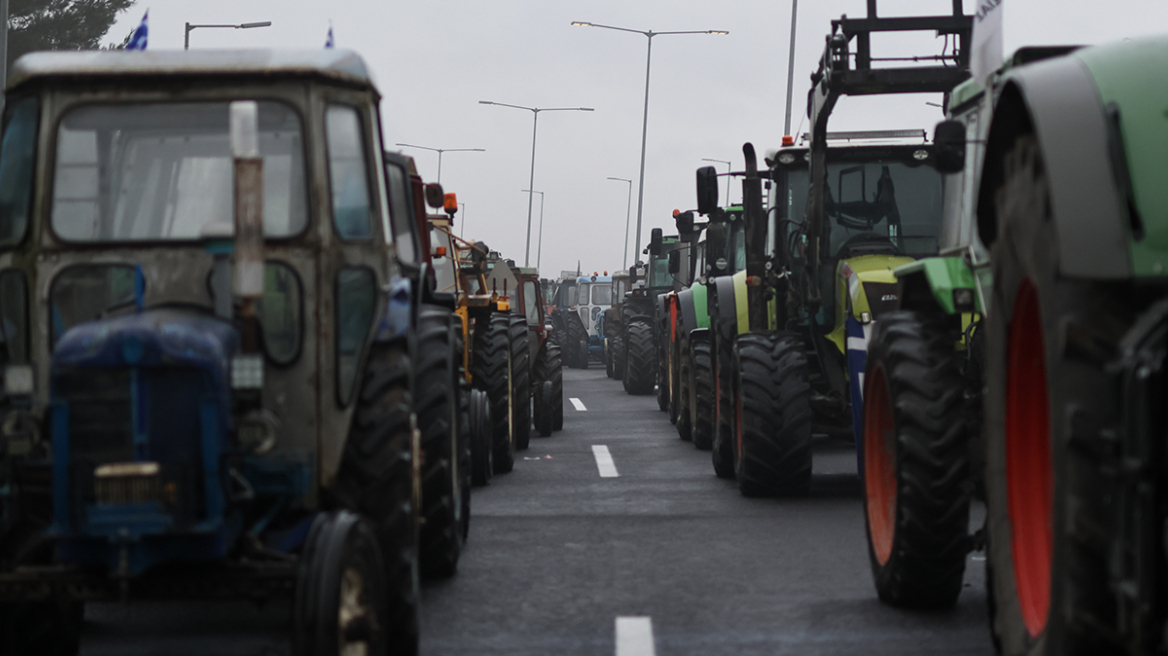
This article examines the asymmetry of social protest in contemporary Greece, focusing on the recent mobilizations of farmers who use road blockades as a means of pressure. Without disputing the economic hardships of the agricultural sector, the text raises a broader and more uncomfortable question: who has the power to protest effectively, and who does not?
Wage earners, pensioners, the unemployed, and small shop owners suffer equally—often more—from rising costs, taxation, and shrinking incomes. Yet they lack the “tools” of visible coercion. They have no tractors to block highways, no leverage to paralyze the country. What they possess instead are obligations, insecurity, and enforced silence.
The article argues that when governments respond selectively to the loudest or most disruptive groups, they unintentionally institutionalize inequality among citizens. Protest becomes a privilege of those who can impose costs on society, while the silent majority remains politically invisible.
Ultimately, the text is not an attack on farmers, but a critique of a political system that rewards pressure over justice, disruption over fairness, and noise over democratic equality.
Χρησιμοποιούμε cookies για να σας προσφέρουμε την καλύτερη δυνατή εμπειρία στη σελίδα μας. Εάν συνεχίσετε να χρησιμοποιείτε τη σελίδα, θα υποθέσουμε πως είστε ικανοποιημένοι με αυτό.